Credit card processing fees are one of the largest operating expenses for many small and mid-sized businesses, often running between 2% and 4% of every transaction. Dual pricing offers a straightforward way to recover those costs: show customers two prices, one for cash and one for card, and let them choose. But is it the right move for your business? This guide covers the strategic side of dual pricing, from building the business case to avoiding the mistakes that trip up most merchants.
A Quick Refresher: What Dual Pricing Is
Dual pricing means displaying two prices for every product or service you sell. The lower price applies when a customer pays with cash, check, or another non-card method. The higher price applies when they use a credit or debit card. The gap between the two reflects your cost of processing the card payment.
Unlike surcharging, where a fee is tacked on at checkout, dual pricing puts both numbers in front of the customer from the start. There are no surprises, and the customer gets to make a decision based on full information. For a deeper look at the legal framework, see our companion article on the legality of dual pricing.
The Business Case for Dual Pricing
The primary motivation for adopting dual pricing is financial. For a business processing $50,000 per month in card transactions at an average fee of 3%, that is $1,500 in monthly processing costs, or $18,000 per year. Dual pricing can recover a significant portion of that expense.
Offset Processing Costs
When customers choose to pay with cash to take advantage of the lower price, you eliminate the processing fee on that transaction entirely. When they pay with a card, the higher displayed price already accounts for the fee. Either way, your effective margin improves.
Increase Profit Margins Without Raising Prices
Dual pricing lets you maintain competitive cash prices while recovering card costs through the card price. Customers who compare your prices to competitors will often see your cash price first, which keeps you competitive. Meanwhile, the card price ensures you are not subsidizing the cost of card acceptance out of your own margin.
Encourage Cash Payments
Many merchants who adopt dual pricing see a measurable shift toward cash transactions. Depending on the industry, between 10% and 30% of customers who would have paid with a card choose cash instead once they see the price difference. Every one of those transactions means zero processing fees for you.
A business processing $50,000 per month in card sales at 3% pays $18,000 per year in processing fees. Dual pricing can recover most or all of that cost.
Industries Where Dual Pricing Works Best
Dual pricing is not a one-size-fits-all strategy. It tends to perform best in industries with certain characteristics: frequent small-to-mid-size transactions, price-sensitive customers, and an established culture of cash payments.
- Gas stations and convenience stores. Dual pricing has been the standard at fuel pumps for years. Customers are accustomed to seeing separate cash and credit prices, which makes adoption seamless.
- Restaurants and quick-service dining. High transaction volume and tight margins make processing costs especially painful. Dual pricing helps recover those costs without changing menu prices.
- Retail and specialty shops. Stores with frequent repeat customers can implement dual pricing with minimal friction, particularly when staff are trained to explain the model clearly.
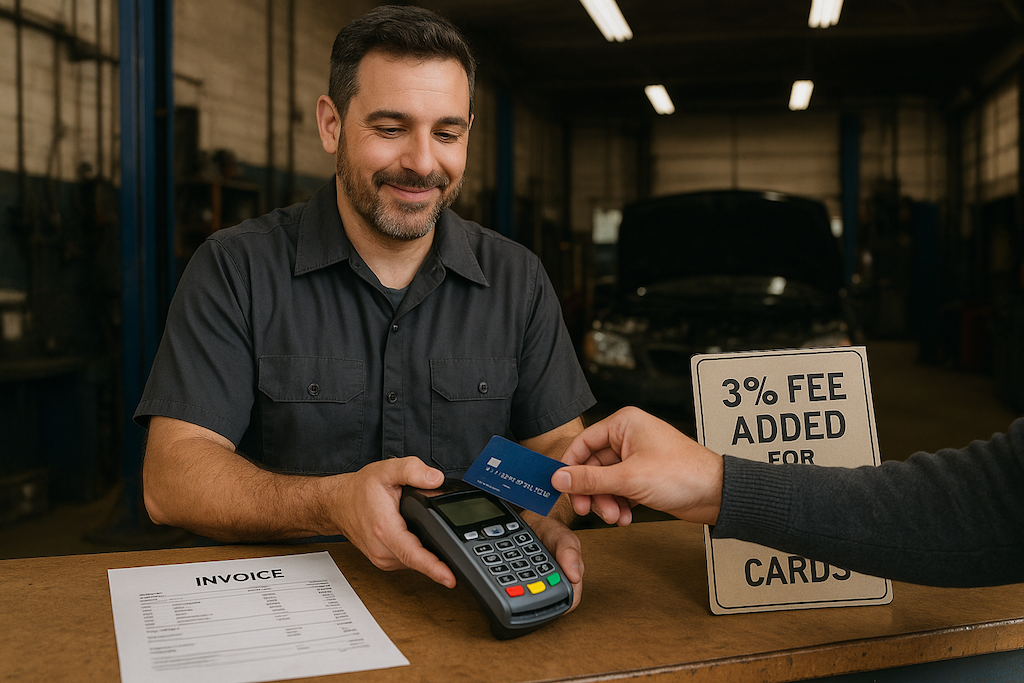
- Auto repair and service businesses. Larger ticket sizes mean larger processing fees. A 3% fee on a $2,000 repair bill is $60, which adds up fast across dozens of jobs per month.
- Professional services. Accountants, consultants, and other service providers with invoice-based billing can present dual pricing naturally as part of the payment terms.
Customer Psychology and Perception
The biggest concern merchants have about dual pricing is customer reaction. Will people feel nickel-and-dimed? Will they take their business elsewhere?
Research and real-world experience suggest that transparency is the deciding factor. Customers react negatively to hidden fees and unexpected charges at checkout. They are far more accepting of upfront pricing that gives them a choice. When both prices are posted clearly and the staff can explain the reasoning, most customers understand and accept the model.
Framing Matters
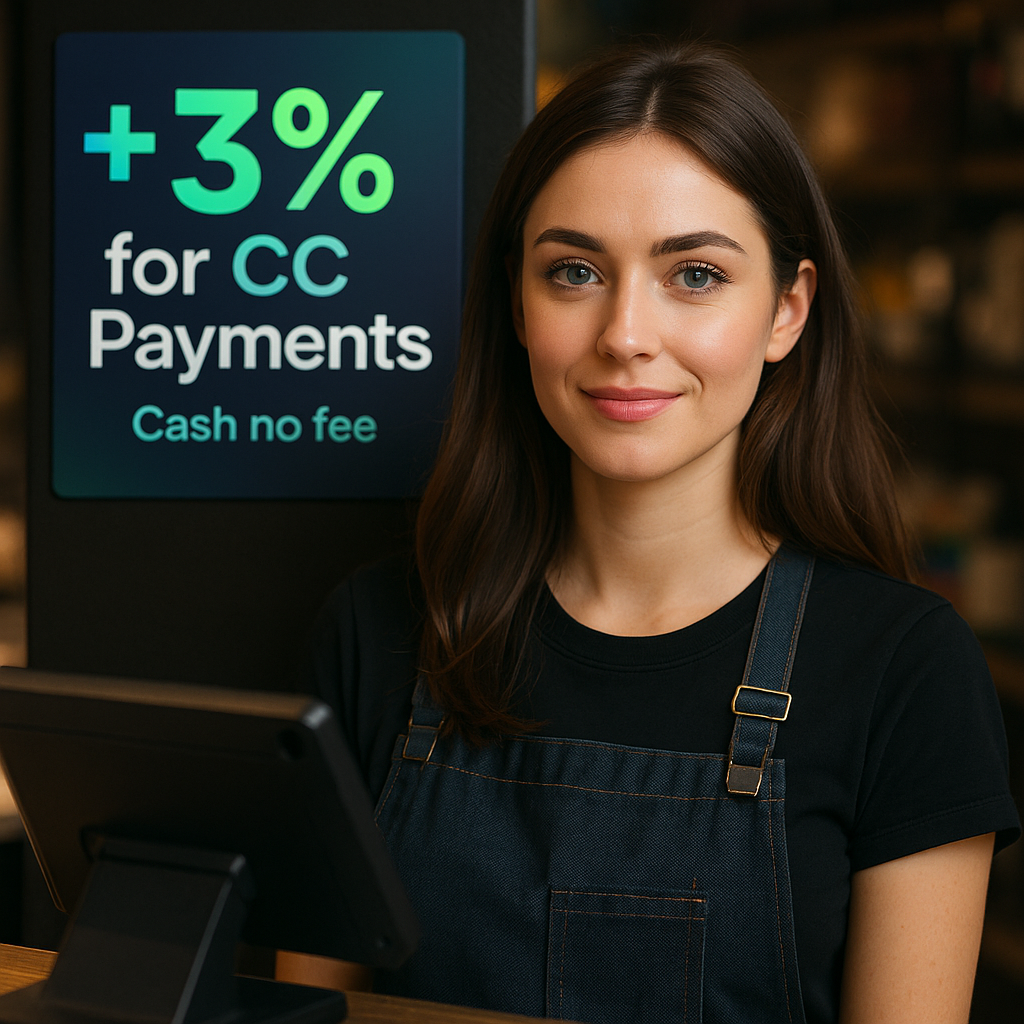
How you present dual pricing makes a meaningful difference. Rather than framing the card price as a penalty, position the cash price as a benefit. Signage that reads "Cash price: $9.50 / Card price: $10.00" feels neutral. Signage that reads "Save 5% when you pay with cash" feels like a reward. Both convey the same information, but the second framing generates more positive reactions.
Staff Communication
Your frontline employees are the face of your pricing policy. When a customer asks about the two prices, a well-prepared team member might say something like: "We display both prices so you can choose what works best for you. The cash price reflects our savings when we don't pay a card processing fee, and we pass that savings along to you." This kind of response turns a potential objection into a moment of trust.
Implementation Steps
Rolling out dual pricing successfully requires planning across three areas: technology, signage, and people.
1. Configure Your POS System
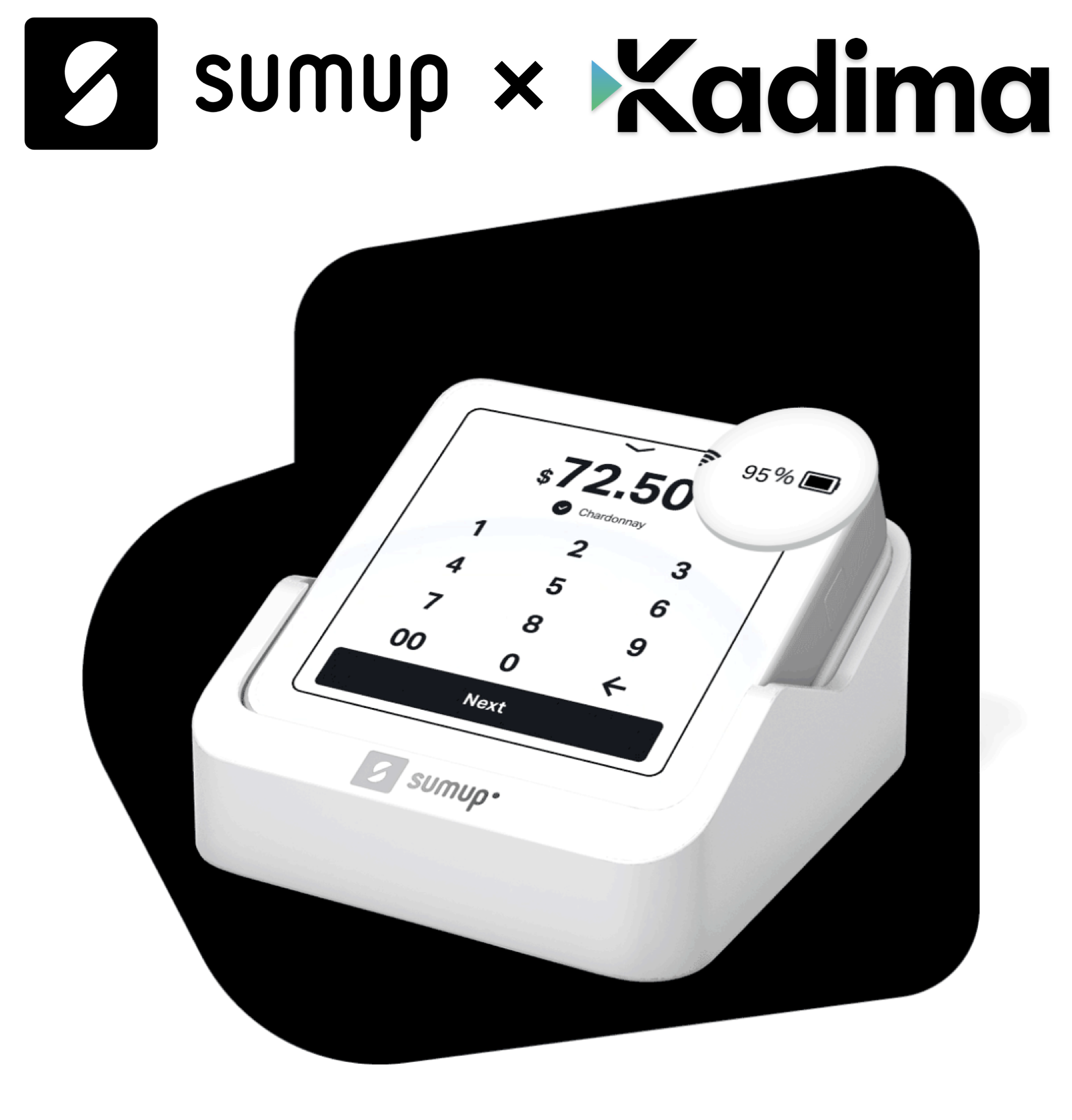
Your point-of-sale system needs to support dual pricing natively. This means displaying both prices on screen, applying the correct price based on payment method, and printing itemized receipts that show the price the customer paid. If your current POS does not support this, you may need to upgrade or add a dual pricing module.
2. Create Clear Signage
Post notices at your entrance, at the register, and anywhere else customers make purchasing decisions. For e-commerce, include a clear disclosure on your product pages and checkout screen. Signage should be easy to read, prominently placed, and consistent throughout your business.
3. Train Your Team
Before launch day, run every employee through a brief training session. Cover the basics of how dual pricing works, why you are adopting it, and how to respond to common customer questions. Role-play a few scenarios so your team feels confident handling objections.
4. Communicate to Existing Customers
If you have a loyal customer base, let them know about the change before it happens. A short email, an in-store flyer, or a social media post can set expectations and prevent surprise. Most customers appreciate the heads-up.
Common Mistakes to Avoid
Even merchants who are enthusiastic about dual pricing can stumble during implementation. Watch out for these frequent missteps:
- Inadequate signage. If customers do not see both prices until they are at the register, it feels like a bait-and-switch. Make pricing visible from the moment they enter your business.
- Surcharging debit cards. Card network rules prohibit surcharges on debit card transactions. Your POS must distinguish between credit and debit to stay compliant.
- Exceeding the surcharge cap. Visa and Mastercard cap surcharges at 3% or your actual cost of acceptance, whichever is lower. Exceeding this cap can result in fines.
- Inconsistent pricing. If some items show dual pricing and others do not, customers get confused. Apply the model uniformly across your entire menu or product catalog.
- Poorly trained staff. An employee who cannot explain the pricing model, or worse, apologizes for it, undermines the entire program. Invest in training.
When Dual Pricing Might Not Be Right
Dual pricing is a strong fit for many businesses, but it is not ideal for every situation. Consider holding off if:
- Your customers rarely carry cash. In some industries, particularly e-commerce and SaaS, nearly 100% of transactions are card-based. Dual pricing adds complexity without meaningful cost recovery.
- You operate in a highly competitive, price-sensitive market. If your competitors do not use dual pricing, the card price may look higher in side-by-side comparisons, even if your cash price is lower.
- Your average transaction value is very low. On a $3 coffee, the difference between cash and card price is a few cents. The added complexity may not be worth the marginal savings.
- Your state restricts surcharging and you cannot restructure as a cash discount. Compliance risk outweighs the financial benefit in these scenarios.
Dual pricing works best when your customers have a genuine choice between payment methods and the price difference is meaningful enough to influence behavior.
Kadima's Dual Pricing Program
At Kadima Payments, we have helped hundreds of merchants implement dual pricing programs that are compliant, transparent, and effective. Our approach covers every aspect of the rollout:
- Compliance-first setup. We structure your program to meet federal, state, and card network requirements from day one.
- POS integration. Whether you use SumUp, Clover, or another system, we configure dual pricing directly into your existing hardware and software.
- Professional signage. We provide compliant, branded signage templates that you can customize for your business.
- Staff training resources. Our team supplies talking points, FAQs, and role-play scripts so your employees are ready on launch day.
- Ongoing optimization. After rollout, we monitor your program performance and suggest adjustments to maximize cost recovery while maintaining customer satisfaction.
Processing fees do not have to be a fixed cost of doing business. With the right dual pricing program, you can recover those expenses, protect your margins, and give your customers transparent choices at every transaction.
Want to see how much dual pricing could save your business? Talk to our team or see if you qualify to get started.